

Media Education
The internet, books, films, digital games, advertisements, television, photos and mobile phones are all media and part of the sphere of life and growth environments of children and adolescents.
Media education provided at home plays an important role in the development of versatile media skills, a healthy media relationship and a balanced use of media in the everyday life of children and adolescents.
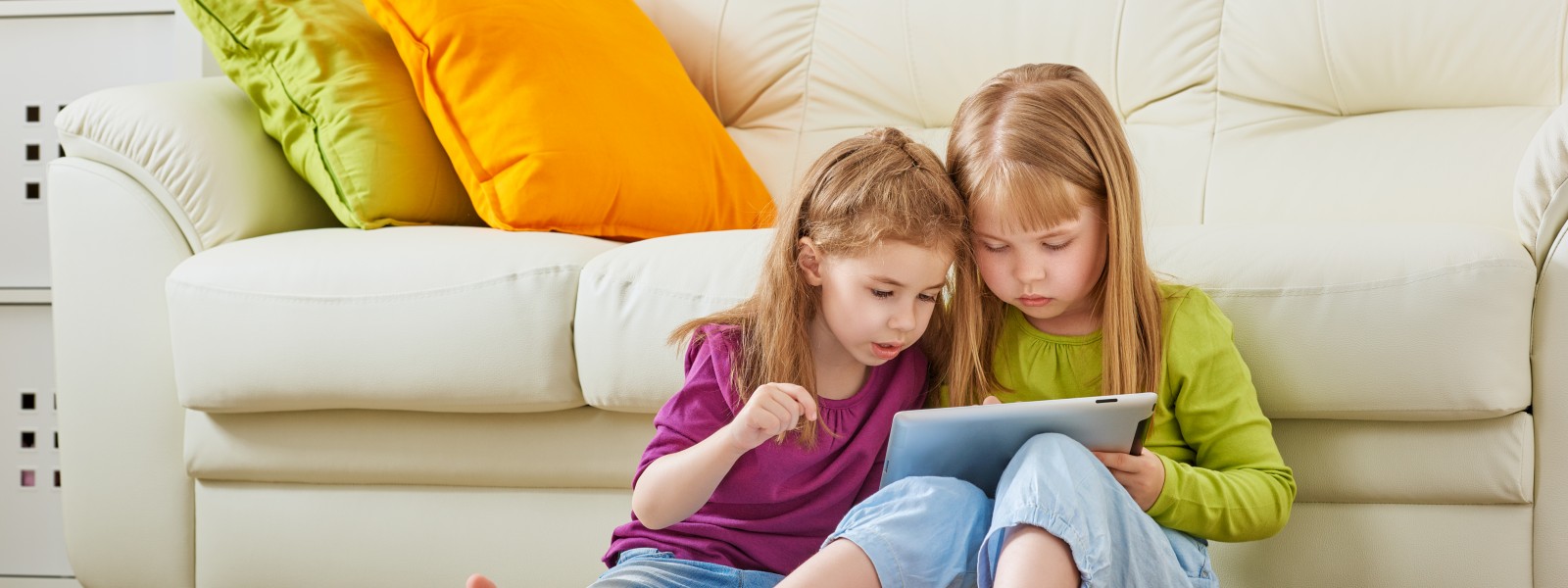
- Take an interest in your child’s use of the internet and explore various media together.
- Find out what the age limits are and make sure that your child only uses appropriate media content.
- Guide your child on safe media use and provide support if your child encounters something negative in media.
- Offer your child a chance to show what they can do and to share their interests in media with you.
- Discuss suitable limits for gaming and other media use together with your child.
Find more practical tips from MLL’s Child and Media – 10 tips for parents in the digital age and Youth and Media – 10 tips for parents in the digital age pdf guides
Children need guidance and support in their media use, but also plenty of listening, being present and doing things together so that they learn to use media responsibly, consciously and respectfully. Parents provide examples and behavioural patterns to children with their own media use and opinions.
Limits set by parents and rules discussed together with children and adolescents are also important. Thinking about media use in the family helps you understand how your personal media use or that of family members can affect a child.
Parents do not have to be digital wizards to guide children and adolescents on how to live in the modern world. Expressing a positive interest, being present and providing support with media-related issues are the key to fulfilling children’s digital rights and improving their media skills.